





Pitra Shanti Pooja

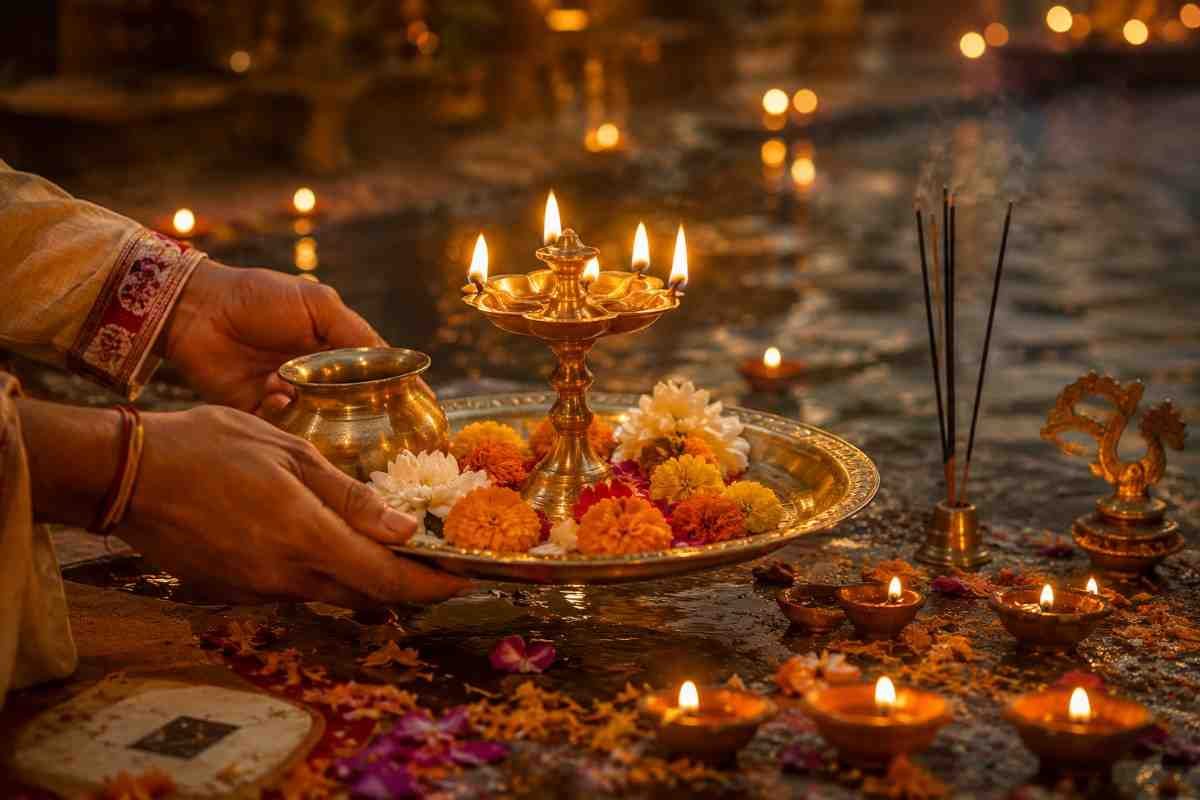
A sacred Vedic ritual performed with श्रद्धा and विधि-विधान to honour the Pitru lineage through Sankalp, Tarpan and traditional prayers.

Ganga Ghat, Haridwar

1 Day

No review

Till now 2+Devotees have participated in Pujas conducted by Brahmasetu.

Starting Price

₹1,100₹5,100
Select puja package →

Pitra Shanti Pooja Packages

Basic Pooja

Package Price

₹1,100 ₹5,100

Book Now

Premium Pooja

Package Price

₹5,100 ₹7,100

Book Now

Frequently Asked Questions

Pitra Shanti Pooja is a traditional ancestral ritual performed with श्रद्धा to honour and remember the Pitru lineage through prescribed prayers, Tarpan and other Shradh rituals.
It is generally performed during the appropriate Shradh period or on the prescribed Tithi of an ancestor, according to family tradition and Panchang.
The ritual may include Sankalp, Pitru Avahan, Tarpan, Pind Daan, Pitru Mantra, prayers and other offerings as prescribed by the priest.
Yes, the puja can be arranged through an online Sankalp-based service, where the priest performs the prescribed rituals on behalf of the devotee.
Generally, the devotee’s name, Gotra, family details and the available details of the departed ancestor are required to perform the Sankalp properly.

Benefits of Shardh Pooja

Ancestral Peace & Liberation

Helps departed souls attain Moksha and cross safely to the realm of peace.

Removal of Pitra Dosh

Clears generational karmic blockages affecting health, peace, and family harmony.

Family Prosperity & Growth

Invites ancestral blessings for financial stability, successful careers, and lineage continuity.

Health & Domestic Harmony

Eliminates unexplained tensions, conflicts, and chronic hurdles within the household.

Spiritual Protection & Grace

Shields your home and future generations with the protective aura of your ancestors.

What is Pitra Shanti Pooja?

Sacred Rite of Remembrance

A dedicated Vedic ritual performed to express profound gratitude, honor, and reverence to departed ancestors.

Soul Liberation (Moksha)

Helps satisfy unfulfilled desires of departed souls, assisting their smooth transition toward peace and spiritual liberation.

Pind Daan & Tarpan Offerings

Involves offering cooked rice-barley balls (Pind) and sanctified water with black sesame seeds (Tarpan) to nourish ancestral spirits.

Karmic Debt Resolution (Pitra Rin)

Fulfills the sacred moral duty of descendants, helping to balance ancestral karmic debts and alleviate Pitra Dosh.

Charity & Community Feeding (Brahmin Bhojan)

Concludes with feeding Brahmins, the needy, cows, and crows, distributing good karma in the name of the ancestors.

Scriptural References

Shradh Puja is rooted in the ancient Hindu tradition of honouring and remembering one’s ancestors with श्रद्धा, gratitude and devotion.

Garuda Purana (Pretakalpa)

Describes the journey of the soul after death and emphasizes Shraadh as the essential bridge that delivers departed ancestors from intermediate realms into peace.

Bhagavad Gita (Chapter 3, Verse 10–12)

Affirms the principle of mutual sustenance between humanity and subtle realms through Yajna and offerings, maintaining cosmic order and harmony.

Rigveda (Mandala 10, Pitru Sukta)

Contains the earliest Vedic invocations, inviting the revered ancestors (Pitrus) to receive sacred soma and sesame offerings while blessing their descendants with strength and longevity.

Matsya Purana & Vishnu Smriti

Details the spiritual mechanics of Tarpan and Pind Daan, explaining how water and black sesame carry ancestral prayers directly to the Pitru Loka.

Mahabharata (Anushasana Parva)

Features Sage Markandeya explaining to Bhishma that sincere faith (Shraddha) offered during Shraadh carries greater spiritual merit than any worldly charity.

Process of Performing Gupt shradh Puja

1. Sankalp & Invocation

The puja begins with a sacred Sankalp, mentioning the devotee and the purpose of the Shradh. The Pitru Devatas are respectfully invoked through traditional mantras and prayers.

2. Kalash & Devata Pujan

A sacred Kalash is established and the prescribed preliminary worship of Lord Ganesha, the Kalash and other deities is performed to begin the ritual in an auspicious manner.

3. Pitru Avahan

The ancestors are respectfully remembered and invoked according to the prescribed Shraddha tradition. Their names and lineage may be mentioned wherever known.

4. Tarpan

Tarpan is offered with water and prescribed ingredients while reciting the appropriate mantras. This is performed as an expression of remembrance, reverence and gratitude toward the Pitris.

5. Pitru Mantra & Prayer

Traditional Pitru mantras, prayers and portions of the prescribed Shraddha Vidhi are recited. The family prays for the spiritual well-being of the departed ancestors and expresses gratitude for the ancestral lineage.

6. Brahmin Bhojan / Anna Daan

According to the family tradition and the form of Shraddha being performed, food, Dakshina or other prescribed offerings may be given to Brahmins or those in need as part of the ritual.

7. Final Prarthana & Visarjan

The ceremony concludes with a final prayer seeking blessings of the Pitru Devatas and peace for the departed. The Kalash and other ritual elements are respectfully concluded according to the prescribed Vidhi.

Related Pooja