






Shatru Nash Puja

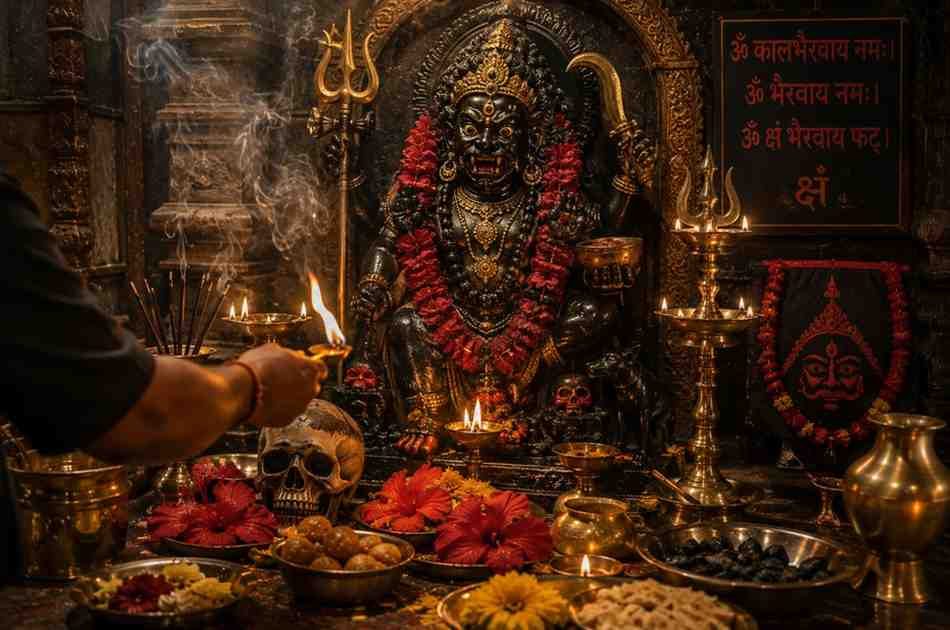
Bhairav Temple

18th July 2026 (Saturday)

Puja booking will close in :

00Day
:
00Hrs
:
00Min
:
00Sec
A sacred Vedic and Puranic puja performed to seek divine protection, courage, victory over adversities, and the blessings of the Divine for overcoming righteous challenges while upholding Dharma.
Divine Protection Against Adversities
Victory in Righteous Endeavors
Conquest of Inner Enemies
Removal of Negative Influences

Starting Price

₹1,100₹7,100
Book Pooja

Benefits of Shatru Nash Puja

Divine Protection Against Adversities

  • Invokes the blessings of Lord Narasimha, Maa Durga, and Lord Hanuman for protection during difficult circumstances.
  • Strengthens faith, courage, and confidence while facing life's challenges.
  • Reference:Narasimha Purana, Devi Mahatmya (Markandeya Purana), Hanuman traditions.
  • Victory in Righteous Endeavors

  • Devotees pray for success in lawful matters, professional competition, and personal challenges through righteous means.
  • Inspires determination, patience, and adherence to Dharma.
  • Reference:Mahabharata, Bhagavad Gita, Shiva Purana.
  • Conquest of Inner Enemies

  • Encourages the removal of anger (Krodha), greed (Lobha), attachment (Moha), pride (Mada), jealousy (Matsarya), and desire (Kama).
  • Promotes self-discipline, spiritual growth, and purity of mind.
  • Reference:Bhagavad Gita, Upanishads, Manusmriti
  • Removal of Negative Influences

  • Devotees seek divine grace for protection from fear, negativity, and obstacles affecting spiritual and worldly progress.
  • Creates a spiritually uplifting and positive atmosphere through Vedic worship.
  • Reference:Devi Bhagavata Purana, Kalika Purana, Skanda Purana.
  • What is Shatru Nash Puja?

    Shatru Nash Puja is a sacred Vedic ritual performed to seek divine blessings for protection, courage, and victory over obstacles while living according to Dharma. In Hindu philosophy, the word "Shatru" (enemy) refers not only to external opposition but also to internal weaknesses that hinder spiritual and personal growth. Therefore, the puja emphasizes overcoming both external difficulties and inner negativity through devotion and righteous conduct.
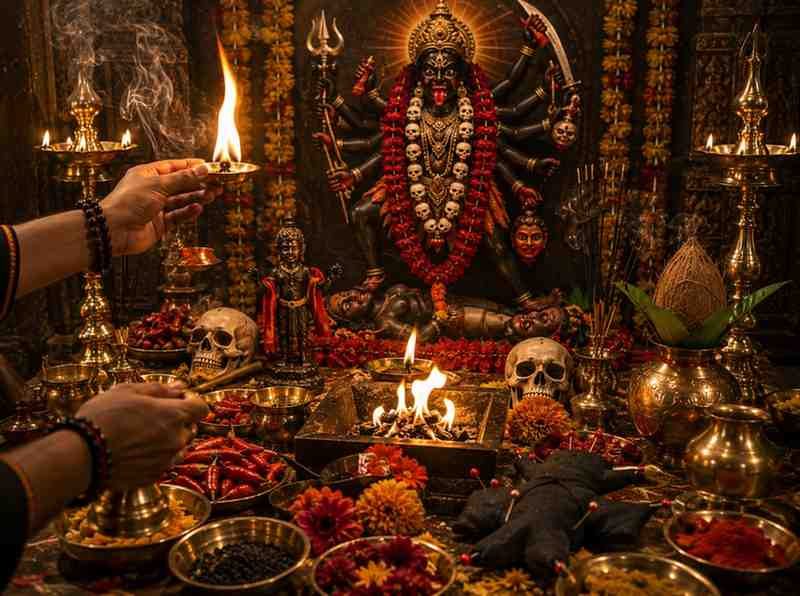
    Depending on the tradition followed, the puja may include the worship of Lord Narasimha, Maa Baglamukhi, Lord Hanuman, Lord Kaal Bhairava, Goddess Durga, or Lord Shiva, accompanied by Vedic mantra chanting, Havan, Abhishek (where applicable), and prayers for divine protection.

    This puja is commonly performed before important legal matters, competitive examinations, business challenges, or during periods of personal struggle, always with the intention of seeking justice, protection, and success through ethical means.

    Scriptural References

    The significance of protection and victory through divine worship is described in:
    Bhagavad Gita
    Narasimha Purana
    Shiva Purana
    Markandeya Purana
    Devi Bhagavata Purana
    Kalika Purana
    Skanda Purana
    Ramayana
    Mahabharata

    Process of Performing Shatru Nash Puja

    Puja Area Purification
    Sankalpa
    Ganesh Puja & Kalash Sthapana
    Invocation of the Presiding Deity
    Mantra Japa & Havan
    Protective Stotra Recitation
    Aarti & Divine Prayers

    Shatru Nash Puja Packages

    Group Puja

    Package Price

    ₹1,100 ₹7,100

    Book Now

    Premium Puja

    Package Price

    ₹50,999.99 ₹100,000

    Book Now

    Frequently Asked Questions

    Shatru Nash Puja is a sacred Vedic ritual performed to seek divine protection, courage, and victory over obstacles while following the path of Dharma.
    Depending on the tradition, the puja may be dedicated to Lord Narasimha, Maa Baglamukhi, Lord Hanuman, Lord Kaal Bhairava, Goddess Durga, or Lord Shiva.
    Yes. Devotees often perform this puja before important legal matters, competitive situations, or professional challenges to seek divine guidance, confidence, and success through righteous means.
    Traditional Vedic ceremonies usually include Havan, though the exact procedure may vary according to regional customs and the guidance of the officiating priest.
    The principles of divine protection, victory over adversity, and overcoming inner enemies are described in the Bhagavad Gita, Narasimha Purana, Shiva Purana, Markandeya Purana, Devi Bhagavata Purana, Kalika Purana, Ramayana, and the Mahabharata.

    Related Pooja