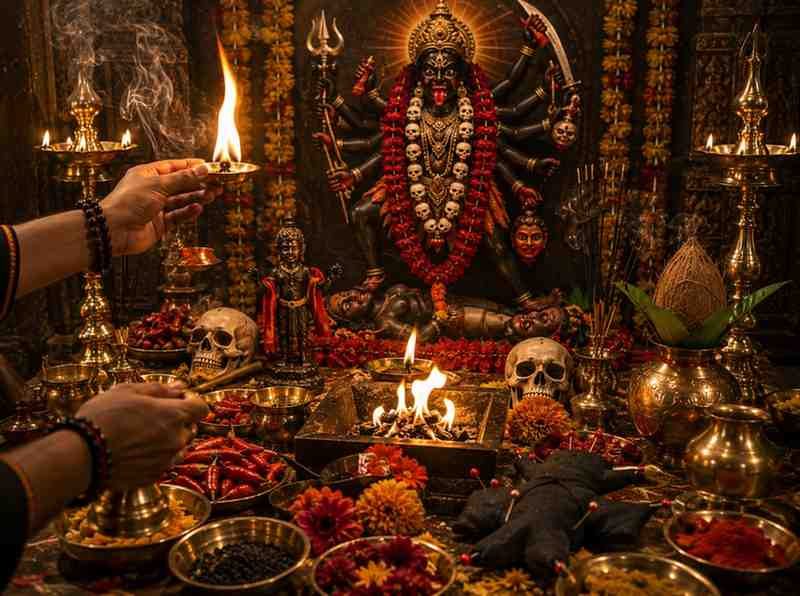
Authentic Vedic Pujas performed with devotion and ancient wisdom. Bringing divine blessings, harmony, and positive energy into your life.
Gupt Navratri Puja
Devi Temple Jaipur
15th July 2026 (Wednesday)
Booking Closed
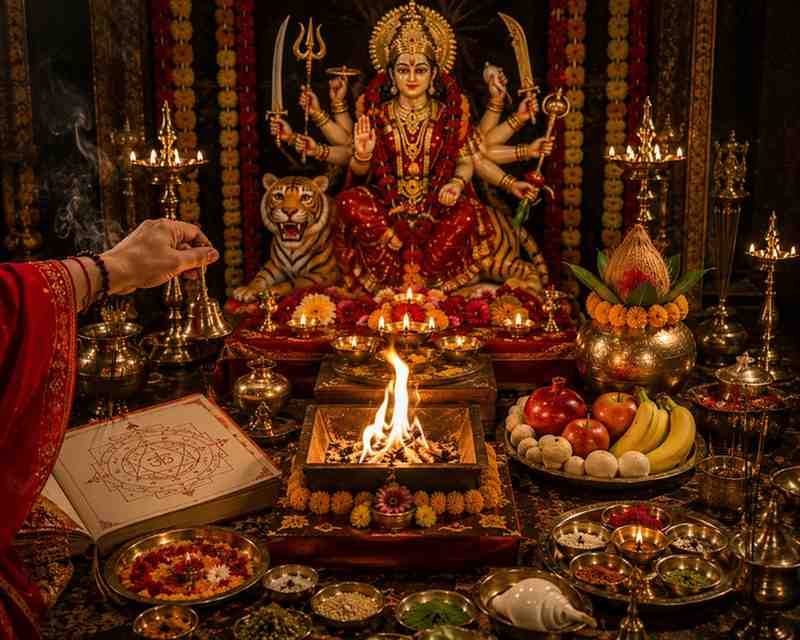
A sacred nine-night worship dedicated to the nine forms of Goddess Durga, observed primarily during the Ashadha and Magha Gupt Navratris for spiritual growth, Shakti Sadhana, protection, and inner transformation as described in the Shakta tradition.
Spiritual Growth Divine Protection Removal of Obstacles Prosperity and Well-being
Enhances concentration, discipline, and inner peace.
Divine Protection
Seeks the blessings of Adi Shakti for protection from negative influences.
Invokes spiritual courage during challenging phases of life.
Removal of Obstacles
Helps devotees pray for the removal of personal and professional difficulties.
Encourages positive thinking and righteous actions.
Prosperity and Well-being
Invokes the grace of the Divine Mother for health, prosperity, and family harmony.
Supports overall spiritual and emotional balance through regular worship.
What is Gupt Navratri?
Gupt Navratri literally means "Hidden Navratri." It is observed twice every year during the lunar months of Magha (January–February) and Ashadha (June–July). While the Chaitra and Sharadiya Navratris are celebrated publicly with large festivals, Gupt Navratri is traditionally regarded as a more private period of worship and spiritual discipline.
The observance is especially respected within the Shakta tradition, where practitioners dedicate themselves to the worship of Goddess Durga and her various manifestations through mantra recitation, meditation, fasting, and devotional practices. Many spiritual aspirants also use this period for intensified sadhana under the guidance of a qualified Guru.
The worship generally includes daily invocation of the Navadurga, recitation of sacred hymns such as the Durga Saptashati (Devi Mahatmya), chanting of Durga mantras, offering flowers, fruits, lamps, incense, and maintaining purity of mind and conduct throughout the nine days.
Scriptural References
The significance of Goddess Durga and Navratri worship is rooted in several authoritative Hindu scriptures, including:
Markandeya Purana – Devi Mahatmya (Durga Saptashati), the principal scripture glorifying the Divine Mother.
Devi Bhagavata Purana, which extensively explains the worship of Mahadevi and the power of Shakti.
Kalika Purana, describing forms of the Goddess and methods of worship in the Shakta tradition.
Rudra Yamala Tantra, Kularnava Tantra, and other Shakta Tantras, which discuss specialized sadhanas traditionally associated with Gupt Navratri under Guru guidance.
References to the Divine Feminine (Devi) also appear in the Rigveda, particularly the Devi Sukta (Rigveda 10.125), where the Goddess declares her universal cosmic presence.
Process of Performing Gupt Navratri Puja
Sankalp
The puja begins with a personalized Sankalp, invoking Goddess Durga with the devotee's name and Gotra.
Kalash Sthapana
A sacred Kalash is established to invoke the divine presence of Adi Shakti.
Navadurga Worship
Daily worship of the nine forms of Goddess Durga with traditional offerings.
Durga Mantra Jaap
Recitation of powerful Durga mantras for divine blessings and spiritual upliftment.
Durga Saptashati Path
Chanting of the sacred Devi Mahatmya (Durga Saptashati) as per tradition.
Havan
A Vedic Havan is performed with Durga mantras to complete the worship.
Aarti & Pushpanjali
Devotional Aarti and flower offerings are made to seek the Goddess's grace.
Purna Ahuti
The puja concludes with the final oblation and prayers for peace, prosperity, and divine protection.
Gupt Navratri is a sacred nine-day period dedicated to the worship of Goddess Durga, particularly valued in the Shakta tradition for spiritual discipline, mantra japa, devotion, and inner transformation.
There are two Gupt Navratris every year—one in the lunar month of Magha and another in Ashadha, each lasting nine days.
No. Although Gupt Navratri is traditionally important for advanced Shakta and Tantric sadhana under proper Guru guidance, ordinary devotees also observe it through simple worship, fasting, chanting, and recitation of Devi scriptures. Advanced Tantric practices should not be attempted without qualified initiation.
The most commonly recited texts include the Durga Saptashati (Devi Mahatmya), Devi Bhagavata Purana, Devi Kavach, Argala Stotra, Keelaka Stotra, Lalita Sahasranama, and Devi Sukta, depending on one's tradition.
Yes. Anyone with faith and sincerity can observe Gupt Navratri by maintaining purity, offering daily prayers to Goddess Durga, chanting approved mantras, and following their family or Guru tradition. Specific Tantric rituals, however, are traditionally performed only under the guidance of an initiated Guru.